Funny Mom SVG: A Designer’s Real-World Review
As an embroidery designer who has spent years digitizing files and testing them on everything from stiff denim to slippery satin, I approach every new machine embroidery design with a healthy dose of skepticism. We have all seen those digital assets that look crisp on a screen but turn into a tangled mess under the needle. When I first loaded the Funny Mom SVG Cut File into my workflow, I was not just looking at a graphic; I was evaluating its potential as a viable embroidery project for my clients and my own small shop.
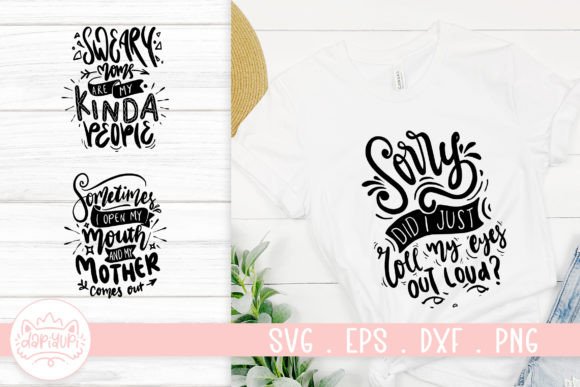
The initial impression of this design is one of playful confidence. It does not try to be overly intricate or delicate, which is often a trap for novelty designs. Instead, it relies on bold shapes and clear typography. For those of us in the Crafts industry, clarity is king. Whether you are creating a handmade product for a local craft fair or listing a custom apparel item on Etsy, the design needs to read well from a distance. This file delivers that immediate visual impact, making it an excellent candidate for high-visibility items like tote bags or statement sweatshirts.
From Screen to Stitch: Evaluating Practical Use
Let us talk about a real-life scenario. Imagine a customer comes to your boutique asking for a personalized gift for a friend who just had her second child. She wants something humorous but stylish, not cheesy. This is where the Funny Mom SVG Cut File shines. I envisioned placing this design on a high-quality canvas tote bag design. The bold lines of the graphics would hold up beautifully against the textured weave of the canvas.
However, translating a cut file concept into an embroidery file requires careful consideration of stitch types. If you are converting this SVG for machine use, you must pay attention to the stitch density. Novelty fonts and graphic elements often benefit from a combination of satin stitch for borders and fill stitch for larger areas. If the original graphic has very thin lines, you might need to adjust them to accommodate the minimum width of a satin stitch, typically around 1.5mm to 2mm, depending on your thread weight. Ignoring this can lead to thread breaks or poor coverage.
For those using this as a template for heat transfer vinyl or laser cutting, the clean edges are a blessing. But for embroidery, we must think in three dimensions. The design’s layout suggests it would work wonderfully as a chest patch on a hoodie or as a central motif on a sweatshirt embroidery piece. The balance of negative space ensures that the fabric breathes, preventing that stiff, cardboard-like feel that plagues poorly digitized designs.
Navigating Fabric and Hoop Constraints
Not every surface is created equal. While this design is versatile, there are specific scenarios where you should proceed with caution. If you are planning to embroider this onto a curved surface like a cap, ensure your hoop size is appropriate. A design that is too wide may distort when hooped tightly on a curved brim. I recommend testing the design on a scrap piece of the same material first. This is non-negotiable for professional results.
Textured fabrics present another challenge. If you are working with a fluffy towel or a thick fleece, the details of the Graphics might get lost. In such cases, consider using an applique design technique. By cutting out the shape from a contrasting fabric and stitching it down, you preserve the integrity of the design while adding a tactile dimension that customers love. This approach also reduces the total stitch count, which can lower production time and wear on your machine.
Dark fabrics require special attention to thread choice. Since this design likely relies on contrast for its humor and readability, using light-colored threads on black or navy garments is essential. However, avoid using white thread on white fabric unless you are aiming for a subtle, tonal look. Always check your thread colors against the fabric background in natural light before starting the final run.
Commercial Viability and Brand Consistency
For Etsy sellers and small shop product creators, consistency is key to building trust. Using a design like the Funny Mom SVG Cut File can help establish a brand voice that is fun, relatable, and modern. It fits seamlessly into categories like holiday embroidery for Mother’s Day or everyday baby embroidery for new moms. The versatility allows you to create a cohesive collection across different products, from embroidered patch accessories to home decor items like pillow covers.
When preparing your listings, use high-quality printable mockup images to show how the design looks on various items. This helps buyers visualize the finished product and increases conversion rates. Remember, the perceived value of your item is directly linked to the quality of the presentation. A well-stitched, professionally finished item commands a higher price and generates better reviews.
Essential Designer Notes for Best Results
Before you commit to a large batch of production, keep these practical tips in mind:
- Test on Scrap Fabric: Always run a test stitch on the actual material you plan to use. This reveals issues with tension, puckering, or registration.
- Check Stabilizer Compatibility: Use the right stabilizer for your fabric. Cut-away stabilizers are best for stretchy knits, while tear-away works well for woven cottons.
- Review Licensing Terms: The product description mentions "ProDesign Print X" and various uses, but always confirm the specific license terms. Ensure you have the rights to use the digital embroidery file for commercial sales if you are selling physical goods.
- Inspect Small Details: Zoom in on the design file. Are there any tiny elements that might not stitch out cleanly? Simplify if necessary.
- Contrast Check: View the design in black and white to ensure the shapes are distinct and readable without color reliance.
In conclusion, the Funny Mom SVG Cut File is a solid addition to your library of design assets. It offers a blend of humor and style that resonates with today’s market. By approaching it with a designer’s eye—considering stitch types, fabric textures, and end-use scenarios—you can transform a simple graphic into a high-value commercial embroidery product. Whether you are making a custom apparel piece for a client or stocking your online store, this design has the potential to perform well, provided you respect the technical demands of the medium. Happy stitching.