Reviewing Pregnancy Keychain SVG for Embroidery
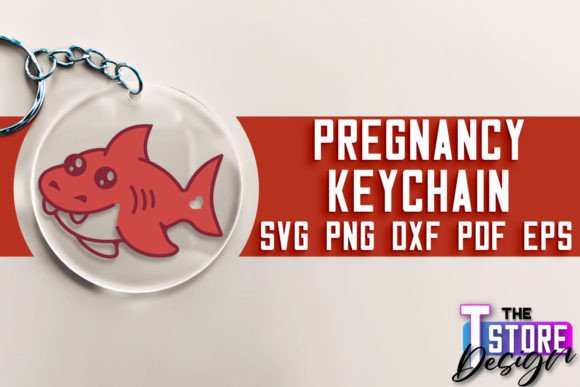
As a designer who has spent countless hours digitizing and stitching out thousands of files, I have learned that not every digital asset translates perfectly to thread. When I first encountered the Pregnancy Keychain SVG Funny Quotes, my initial reaction was one of cautious curiosity. The product description explicitly markets this as a graphic for cutting machines like Cricut and Silhouette, positioning it firmly within the realm of vinyl crafts and paper goods. However, in today’s hybrid maker economy, the line between cut files and embroidery designs is increasingly blurred. Many small business owners and Etsy sellers look for versatile design assets that can serve multiple purposes, from heat transfer vinyl applications to machine embroidery projects.
This review evaluates the practical viability of using these funny quote graphics for real-world embroidery applications. We are not just looking at the visual appeal; we are assessing how these shapes and letters hold up under the needle, considering stitch density, fabric texture, and the final presentation of the handmade product.
First Impressions and Visual Personality
The immediate mood created by pregnancy-themed humor is lighthearted and relatable. For an embroidery designer, this suggests a need for clean, legible typography. Funny quotes rely entirely on readability; if the stitch work obscures the punchline, the design fails. The layouts typically found in these SVG bundles favor bold, sans-serif fonts or playful script hybrids. From a stitching perspective, this is generally good news. Thick letterforms allow for adequate satin stitch coverage without requiring excessive underlay that might cause puckering on lightweight fabrics.
However, because these are originally designed as cut files, they lack the inherent stitch path logic of a dedicated embroidery file. A cut file is a vector outline meant for a blade, not a needle. This means that if you intend to use this Pregnancy Keychain SVG Funny Quotes collection for embroidery, you cannot simply import the SVG into your embroidery software and expect a perfect result. You must treat it as a raw design asset that requires digitizing or careful auto-digitizing with manual cleanup.
Real-World Application Scenarios
Let us consider a realistic scenario. You run a small shop product line focused on baby showers and new parent gifts. A customer requests a custom apparel piece, perhaps a cozy sweatshirt embroidery for a friend who is expecting. They want something humorous but tasteful. Using a quote from this collection could be ideal, provided it is adapted correctly. The design would likely sit best on the left chest or centered on the back of a hoodie.
Another viable application is the embroidered patch. Patches are forgiving regarding stitch density and allow for high detail because they are stabilized on a stiff backing before being applied to the final garment. If you convert these funny quotes into an applique design, you can achieve a crisp, professional look that mimics the clean edges of a vinyl cut but with the textured warmth of thread. This approach works exceptionally well for tote bag design projects, where a large, bold statement piece adds value to a simple canvas bag.
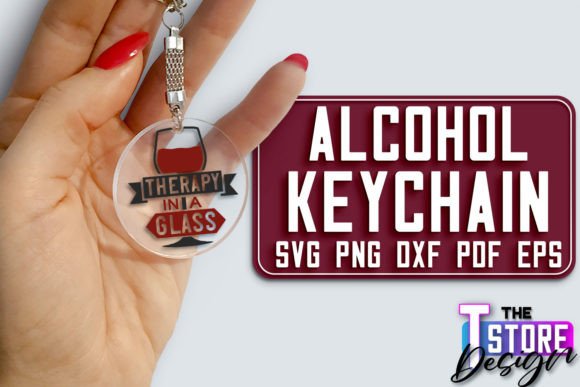
For those creating holiday embroidery gifts, such as personalized ornaments or festive kitchen towels, these quotes can add a unique touch. However, the scale matters. A keychain-sized design is tiny. Translating a small SVG intended for a 2-inch acrylic blank to a 4-inch hoop for a towel requires significant adjustment. You must ensure that the small details do not become lost in the fabric weave.
Navigating Fabric and Hoop Constraints
When working with Graphics that were not originally digitized for embroidery, you must be vigilant about where the design is placed. Small hoop sizes present a challenge. If the quote is long, it may not fit within a standard 4x4 inch hoop without reducing the font size to a point where individual stitches merge. On textured fabrics like terry cloth or heavy denim, fine details can disappear. In these cases, I recommend increasing the stroke width of the letters during the digitizing phase to ensure clarity.
Stretchy fabric poses another risk. Without proper stabilizer, the tension of the thread can distort the funny quotes, making them unreadable. Always use a cut-away stabilizer for garments that will be washed frequently, such as baby clothes or t-shirts. For woven items like aprons or pillow covers, a tear-away stabilizer may suffice, but testing is crucial. Dark fabric also requires attention to thread colors. A light-colored thread on dark fabric needs a dense underlay to prevent the background color from showing through, which can muddy the visual appeal of the text.
Commercial Viability and Brand Consistency
For the Etsy seller or craft business owner, the perceived value of the finished product is paramount. A poorly stitched quote looks amateurish and can damage brand consistency. Customers trust handmade products to have a certain level of polish. If you are selling commercial embroidery items, the clarity of the text directly impacts buyer engagement. A crisp, well-defined satin stitch or a smooth fill stitch conveys professionalism.
Using these SVGs as a base for digital embroidery files allows for greater customization. You can adjust thread colors to match specific nursery decor themes or boutique branding. This flexibility is a significant advantage over pre-digitized designs that may have fixed colorways. By treating the SVG as a starting point, you create a unique design asset that stands out in a crowded marketplace of generic printable mockups and mass-produced goods.
Essential Designer Notes for Execution
Before committing to a full production run, follow these practical steps:
- Test on scrap fabric first: Never stitch a new design directly on the final garment. Use a similar weight and texture to check for puckering or thread breaks.
- Check thread color contrast: Ensure the text stands out against the background. High contrast improves readability, which is critical for funny quotes.
- Review stitch density: Auto-digitized SVGs often have excessive density. Reduce the density to prevent stiffness and fabric distortion.
- Confirm hoop size: Measure the design dimensions after scaling to ensure it fits your machine’s maximum hoop area.
- Inspect small details: Zoom in on corners and curves. Sharp corners may need rounding to prevent thread bunching.
- Verify licensing: The product description notes compatibility with cutting machines but does not explicitly state commercial embroidery rights. Always confirm whether the license allows you to sell finished physical items or if it is restricted to personal use. This is vital for any small shop product strategy.
In conclusion, while Pregnancy Keychain SVG Funny Quotes is marketed primarily for cutting machines, it holds potential for embroidery professionals willing to put in the extra digitizing work. It offers a fresh, humorous angle for custom apparel and personalized gifts. However, success depends on respecting the technical differences between a cut path and a stitch path. By carefully adjusting for stitch density, choosing the right stabilizer, and testing thoroughly, you can transform these simple graphics into high-quality, engaging embroidery projects that resonate with customers and elevate your craft business.