Reviewing the Funny Giraffe SVG for Embroidery
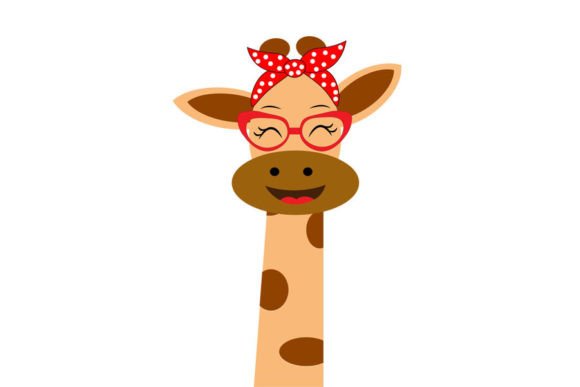
As a designer who has spent countless hours digitizing and stitching out files for clients, I have learned that not every cute graphic translates well to thread. When I first pulled up the Giraffe Svg, Funny Giraffe Svg, Boy Gir design, my initial reaction was one of cautious optimism. The concept is undeniably charming—a giraffe sporting a red bandana and glasses immediately evokes a sense of playful sophistication. However, charm alone does not make a viable embroidery file. We need to look at how this asset performs when the needle hits the fabric.
In the world of Crafts and digital Graphics, there is a distinct difference between a vector image meant for printing and a file optimized for stitching. This review evaluates the practical application of this specific design for real-world projects, focusing on stitch quality, visual impact, and commercial viability for small business owners and hobbyists alike.
First Impressions and Visual Personality
The mood of this design is lighthearted yet stylish. The addition of accessories like the bandana and glasses gives the animal character a personality that resonates with modern trends in nursery decor and casual apparel. For an embroidery designer, the layout is critical. The silhouette appears clean, which is a good sign for maintaining shape integrity during stitching. Complex, jagged lines often result in messy edges on textured fabrics, but this design seems to favor smoother curves.
When considering this for a machine embroidery design, I look for balance. The head-heavy nature of a giraffe means the weight distribution in the hoop must be managed carefully. If the design is too top-heavy without proper stabilization, it can pull or distort, especially on lighter materials. The visual personality here suggests it belongs on items that allow for a bit of whimsy, such as children’s clothing, quirky tote bags, or personalized gifts for animal lovers.
Real-World Application Scenarios
To truly test the value of an embroidery file, we must imagine it in use. I recently considered this design for a custom order involving a set of matching sibling sweatshirts. The "boy girl" aspect mentioned in the metadata suggests versatility in gender-neutral or paired marketing. Here is how I envision it performing across different products:
- Sweatshirt Embroidery: This is likely the ideal home for this design. The thickness of fleece or cotton blend sweatshirts provides a stable base that can support the density of the fill stitches required for the giraffe’s body. The contrast of the red bandana against heather gray or navy fabric would pop beautifully.
- Tote Bag Design: Canvas totes are sturdy, but they have a visible weave. A design with clear, bold outlines works best here. If this SVG translates into a satin stitch border with a fill interior, it will hold up well to the rougher texture of canvas.
- Baby Embroidery: For onesies or bibs, scale is everything. A large, dense design can feel stiff and uncomfortable against sensitive skin. If this file allows for resizing without losing detail, it could work for a chest pocket placement, but caution is advised regarding stitch density on thin knits.
- Embroidered Patch: Creating a standalone patch allows for heavy stabilizer use, ensuring the glasses and bandana details remain crisp. This is a great option for selling as a separate accessory or adding to jackets.
Technical Considerations for Stitching
While the aesthetic is strong, the technical execution determines whether a product looks professional or amateur. When working with this type of digital embroidery file, several factors require attention before you hit the start button.
Stitch Density and Fabric Texture: The glasses and bandana are small details. In embroidery, tiny elements can easily become lost if the stitch density is too high, causing the thread to bunch up, or too low, leaving gaps. On textured fabrics like terry cloth towels or waffle knit aprons, fine details may sink into the pile. I recommend using a cut-away stabilizer for these materials to provide a firm foundation.
Thread Colors and Contrast: The success of this design hinges on color choice. The red bandana needs to stand out against the giraffe’s body color. If you are stitching on a dark fabric, ensure the giraffe’s outline is bright enough to be visible. Testing the design in black and white mockups can help you judge the contrast levels before committing to expensive threads.
Hoop Size and Placement: Always confirm the recommended hoop size before purchasing or downloading. If the design is intended for a 4x4 inch hoop, it may be too small for a large adult sweatshirt back but perfect for a baby hat. Curved surfaces like caps require special attention; the distortion from the curve can warp the shape of the glasses, making them look uneven. Always test on a scrap piece of the same fabric first.
Commercial Viability and Brand Consistency
For Etsy sellers and small shop owners, the perceived value of a handmade product is tied to its finish. A clean, well-digitized design enhances brand consistency. If the stitches are neat and the design holds its shape after washing, customers are more likely to leave positive reviews and return for future purchases.
This particular giraffe design fits well into the "boutique branding" category. It is not generic; the accessories give it a unique flair that can help your products stand out in a saturated market. Whether used for holiday embroidery gifts or year-round custom apparel, it offers a level of personality that mass-produced items lack.
However, always verify the licensing terms. While many files are sold for commercial use, some restrictions may apply to the number of physical items you can sell or whether you can resell the digital file itself. Confirming these details protects your craft business from legal issues.
Final Designer Notes
Before integrating Giraffe Svg, Funny Giraffe Svg, Boy Gir into your production line, follow these practical steps:
- Test on Scrap Fabric: Never stitch a new design directly on a final garment. Use the same fabric type and weight to check for puckering or thread breaks.
- Check Small Details: Inspect the glasses and bandana closely after stitching. If they appear blobby, you may need to adjust the tension or use a finer needle.
- Evaluate Stabilizer Needs: Match the stabilizer to the fabric. Tear-away for stable woven fabrics, cut-away for stretchy knits.
- Review File Formats: Ensure the download includes the format compatible with your machine (e.g., PES, DST, JEF). Not all machines read all formats.
In conclusion, this design shows promise for creating engaging, high-quality embroidered items. With careful attention to technical details and fabric selection, it can become a staple in your portfolio of design assets. It bridges the gap between cute clip art and professional embroidery, offering a fun yet polished look that appeals to a wide range of customers.